
How to Check Irrigation in Afternoon Heat
Watch rotors, low spots, and cycle soak at the hottest hour so spray hits the lawn, not the driveway
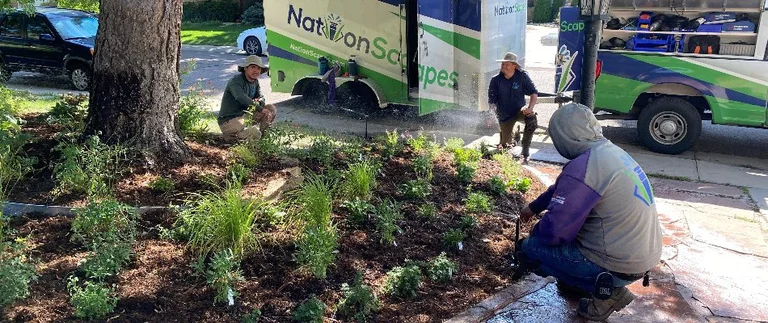
Peak summer afternoons across Denver, Aurora, and Arvada do more than fade turf color. Hot dry weather pulls moisture from the top inches of soil. Clay crusts between runs while roots stay dry. Many metro customers water on assigned days with cooler hour windows. Confirm Stage 1 style rules with your city and provider once. That combination shows which sprinkler zones already fail: rotors that throw short, low spots that pond on a long pass, and banks that need cycle soak instead of one long flood. Spray on pavement is wasted run time.
NationScapes has maintained Front Range sprinklers since 1998. This guide shows what to check in one hot afternoon so you know what actually hits the grass. Photograph what you see, then pick if a maintenance check, a repair visit, or a design talk fits next. Pair it with our summer lawn symptom quiz when you want help ranking irrigation against lawn care, drainage trouble, or mosquito pressure, and with cycle and soak schedules when you are ready to split run times on clay.
Step 1: Pick the hottest hour you can watch
Run zones when the patio feels hottest, not at dawn when mist looks generous. Afternoon wind and heat steal throw from low heads before spray finishes its arc. Stand at the far edge of each zone with your back to the house. Note which heads never reach the toe that browned first.
Write zone numbers from the controller on a phone note. One photo of the screen and one wide shot of the dry band save a second trip later. Confirm your provider watering days and cool hour rules before you rewrite the whole clock. Coverage fixes beat extra time on every zone.
Step 2: Check rotor throw and spray overlap
Rotors should wet past the next head so arcs overlap. Gaps show as dry wedges that widen in this dry summer. Spray heads that mist into wind may look busy while soil under them stays powder dry. Feel the soil at the dry spot, top two inches. Cool damp soil with pale blades points elsewhere. Dust dry soil with short throw points at heads, nozzles, or pressure.
Tilted heads, clogged nozzles, and sunk cans all shorten throw. Mark each fault with a flag or photo before you change minutes on the whole valve. Adding run time to a short rotor floods the near side and still misses the far edge. That is when repairs belong ahead of schedule edits.
Step 3: Map low spots that pond on a long pass
Watch one full irrigation cycle on clay. Note sidewalks that stay wet while turf beside them looks dull. Note bowls in the lawn that hold water while ridges stay dry. Those low spots tell you where one long irrigation pass will pond before roots drink.
If spray lands on pavement every cycle, adjust arcs before you add minutes. Wet walks next to pale turf often mean overshoot, not kindness to the lawn. Capture that pattern for a technician so the visit starts with facts.
Step 4: Test cycle soak on the steepest or clay heavy zone
Cycle soak splits run time into shorter bursts with rest periods so water soaks in instead of racing downhill or across crusted clay. Many controllers label this cycle and soak or soak cycle. The idea is the same: several short applications beat one long flood on Front Range soil.
Watch one full cycle on your hardest zone. If water reaches the sidewalk before the mid bank wets evenly, cycle soak is the first tool. If spray never reaches the top of the arc even with short cycles, the issue is heads, pressure, or layout, not minutes alone. Design work enters when one valve cannot serve mixed plantings or when heads sit too far apart for good overlap.
Step 5: Separate coverage faults from other summer problems
Pale wedges that follow rotor arcs need irrigation first. Thin turf with fair water may need lawn care programs. Soggy lows after every cycle may need valve or grade work. Chewed tips or bite pressure may need insect or mosquito attention instead of another timer bump.
Use the summer lawn symptom quiz when several problems stack at once and you want a clear next service. Use the cycle and soak schedules article when you are ready to split run times on clay without guessing from the controller screen.
Step 6: Decide check, repair, or redesign
Book a maintenance check when you need head by head notes, pressure readings, and a clear list of what each zone actually wets. Book repairs when nozzles, heads, valves, or leaks are already obvious from your walk. Talk design when layout, mixed plantings, or spacing cannot deliver overlap no matter how you edit the clock.
Bring your photos, zone list, and notes about ponding or pavement spray. Mention which hour you watched and which days your provider allows outdoor watering. NationScapes routes crews across Denver, Aurora, Arvada, and the wider metro so one visit can turn afternoon observations into a plan that holds through summer heat.
What to send before the visit
Wide shots of each weak zone at the hottest hour, close shots of heads at the dry edge, and one photo of any bowl that ponds on a long pass. Label zone numbers. Note wind direction if spray drifts. Those details cut guesswork on the first stop.
For a free quote, contact us or call 303-934-9130. Checking irrigation at peak heat beats guessing from the controller. Fix throw and soak before you chase more minutes across the whole yard.
Need an Afternoon Irrigation Check?
Maintenance checks, repairs, and design talks across the Denver metro. Free quotes.