
Plan Fall Sprinkler Blowout Without Skipping Summer Lawn Care
Guest weeks and summer heat test your sprinklers now. Enroll fall blowout early while repairs still matter for the lawn you see today
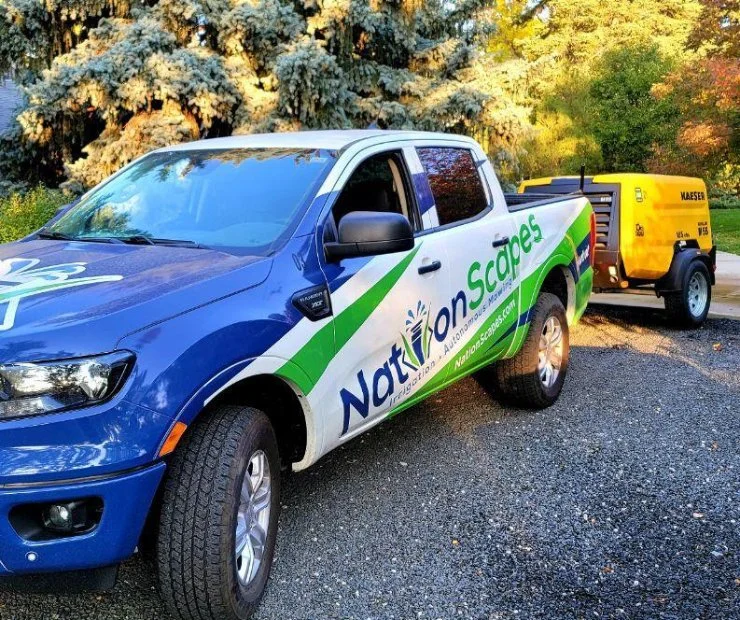
June across Denver, Lakewood, and the wider metro still feels like full summer. Frost is months away. Yet fall sprinkler blowout routes begin filling long before the first cold night. Homeowners who wait until October often compete for the same narrow window when every system on the block needs winterization at once. Enrolling in a blowout program in early summer holds your place on the calendar while you still have weeks to fix the irrigation problems guest traffic and heat reveal today.
NationScapes has winterized sprinkler systems across the Denver metro since 1998. We see the same pattern every year. The household that locks in fall service in June also finishes summer repairs before brown strips harden into expensive turf recovery. Blowout and repair are separate jobs, but they share one honest map of your lot.
Why Early Enrollment Beats a Last Minute Rush
Fall blowout is not optional on the Front Range. Water left in lines, valves, and heads expands when temperatures drop and can crack fittings you will not discover until spring startup. Scheduling early does not mean blowing out in June. It means your property stays on a route that fits your calendar before the October scramble.
Guest weeks make the timing sharper. Extra foot traffic across the lawn, patio furniture dragged over spray arcs, and house sitters who run the clock on autopilot all expose weak zones. You want fall winterization reserved while a maintenance check still has time to fix what hosting season uncovered.
Summer Repairs That Should Not Wait for Fall
Blowout removes water from a system. It does not repair a valve that weeps all summer or a head that no longer reaches the dry strip beside the driveway. Those problems cost you turf color now and can leave pockets of water that freeze unpredictably later.
Walk your zones at dusk while the system runs. Note heads that mist instead of spray, arcs that stop short of a south facing bank, and zones where shrub spray soaks bark while lawn edges stay pale. Sprinkler repair on active leaks and stuck heads belongs on the summer list, not folded into a fall blowout visit.
If slopes on your lot still carry spring run times into hosting season, read our guide to slope irrigation checks before you add minutes everywhere. Target the exposure that failed first instead of shifting the whole controller.
What Blowout Programs Actually Hold for You
A blowout program is a reservation on a seasonal route, not a summer service visit. NationScapes routes crews with commercial compressors across Arvada, Wheat Ridge, Centennial, and surrounding neighborhoods once soil and air tell us winter is near. Enrollment in June or July simply keeps you off the panic list when frost threatens.
When you enroll, mention travel dates, reunion weekends, and any zones you already know are trouble. That note travels with your account so fall technicians arrive with context instead of starting cold. Photos of dry areas and valve boxes help summer maintenance and fall blowout share the same picture of the property.
Keep Lawn Care Moving Beside Irrigation Work
Turf stress you see in June often traces back to water before it traces back to feeding. Fertilization and weed programs work best when roots actually receive even coverage. Fixing arcs and pressure in summer gives lawn treatments something to build on instead of chasing color on hydraulically starved strips.
Compaction from guest paths and extra mowing passes shows up on clay lots across the metro. Plan core aeration for seasons when the lawn is actively growing, not as a substitute for fixing spray that never reached the roots in the first place. Compare blotchy color with common brown patch causes so you are not treating disease where the real story is coverage.
Mixed Zones, Trees, and Shrubs on One Clock
Many Denver metro lots run turf and woody plants on shared valves installed years apart. A zone that soaks tree roots may never deliver enough spray to the lawn edge ten feet away. Before fall routes are built, note which stations mix plant types so winterization does not skip a manifold you forgot was tied to turf.
Tree and shrub care visits can run on a separate rhythm from lawn feeding when spray patterns are honest. Shrubs that block heads after spring growth deserve trimming so arcs reach grass without flooding bark. When splits are not possible on the controller, a sprinkler design conversation may be the long term fix instead of endless minute edits.
A Simple Two Lane Calendar
Think of summer and fall as two lanes on the same map. Lane one covers live repairs, maintenance checks, and lawn programs while the system still runs. Lane two holds your blowout enrollment so winterization is spoken for when temperatures turn. Crossing the lanes creates confusion: blowout cannot fix a head that failed in July, and July repairs should not be deferred because fall feels far away.
Write down zone numbers, sun exposures, and the week damage appeared. Bring that list when you contact NationScapes. Teams routing across the metro stack south facing strips, side yard shade, and guest path wear from real visits every season. A short written priority beats guessing from memory in October.
NationScapes handles sprinklers, lawn care, and tree and shrub programs across the Denver metro. Enroll fall blowout early, finish summer fixes while turf still tells the truth, and both seasons stay on solid ground. For a free quote, contact us or call 303-934-9130.
Need Summer Fixes or Fall Blowout Enrollment?
Sprinkler repairs, maintenance checks, and blowout programs built for Colorado seasons. Free quotes.