
How to Choose a Sprinkler Company in Denver
A sprinkler company in Denver can sound right on the phone and still misunderstand the yard. Clay soil, a slope toward the walk, a zone that was fine until the trees grew up, a system that was...
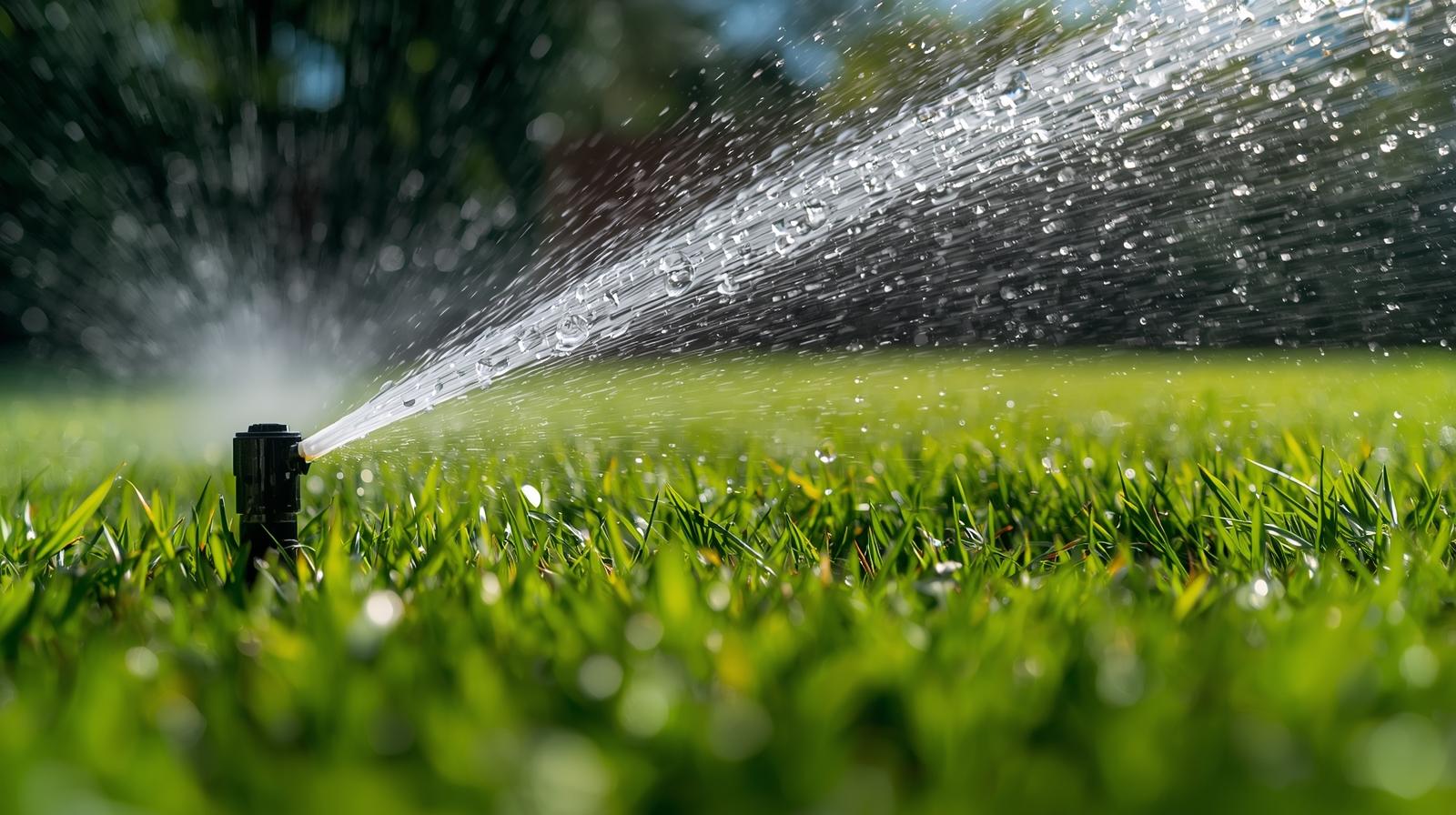
A sprinkler company in Denver can sound right on the phone and still misunderstand the yard. Clay soil, a slope toward the walk, a zone that was fine until the trees grew up, a system that was installed for a different layout. Choosing well means finding a company that talks about your zones, not about sprinklers in general.
What you are actually hiring them to understand
Irrigation repair and service in this climate is about even coverage through a dry, windy summer, and about systems that survive a freeze. The company should be able to say those two things without being prompted.
Here’s the thing: “we fix sprinklers” covers a broken head and a failed valve and a controller that no longer matches the yard. Those are different jobs. A company that only swaps heads will be the wrong fit if your brown strip is a zone, a pressure problem, or a schedule that was never updated when the landscaping changed.
Questions that separate a fit from a guess
Ask them to describe what they would look at before they recommend work. A useful answer includes zones, coverage, leaks, valves, and the controller. An answer that starts with a part name and never mentions the yard is a guess.
Ask what a written scope would include. Which zone, what symptom, and what “fixed” means. Replacing a head is not the same as correcting a spray that no longer overlaps. You want that difference in the notes.
Ask how they handle the Denver season. Startup after winter, midsummer dry spots, and shutdown before a hard freeze are the calendar. A local company should talk about that calendar as normal work, not as a special request.
Ask what they will tell you if the issue is not a sprinkler issue. A soggy corner can be a leak. It can also be grade. A dry bank can be a bad nozzle. It can also be a slope and wind. You want a company that will say which one they are looking at.
How the first visit should feel
The person on site should run or observe the zones that are complaining, not only the one you circled. A tilted head can be the whole story. It can also be the obvious piece of a zone with weak pressure. Watching the water is the job.
They should be able to point at the dry spot, the puddle, or the head that will not drop and connect it to a cause in plain language. If the explanation could apply to any yard in any city, it is not about yours yet.
Reviews are useful when they mention communication and cleanup, not only “showed up fast.” Irrigation work digs. You want to know whether the yard was left closed up and whether the explanation matched the invoice.
What not to confuse with a good hire
The cheapest-sounding visit is not the comparison. A quote that names the zone and the fault is comparable to another quote that does the same. A quote that says “sprinkler repair” is not comparable to anything.
You also do not need a company that talks you into replacing the whole system because one zone misbehaves. Sometimes replacement is the honest call. You should hear why repair would be the wrong repeat, in terms of the age and condition of what they just looked at, not as a default.
What Denver yards tend to expose
A company that works here should recognize the usual plot twists without turning them into a sales tour.
Wind knocks spray off a bank that looked covered on a calm morning. Clay takes water slowly, so a zone can run long enough to flood the walk and still leave the roots dry. Freeze damage shows up in spring as a zone that will not pressurize, a head that will not drop, or a wet spot that appears the first time the system is charged. None of those are exotic. They are the reason “we do sprinklers” is not the same as “we know this climate.”
You should hear that difference when they talk. If the plan could have been written for a rainy coastal lawn, it was not written for yours.
A simple way to decide
Choose the company that can restate your symptom, show you the zone, and write down what they are fixing. Denver yards are too uneven for a generic spray-and-go answer.
Try one thing before you book: run the system long enough to see which zones look wrong, and tell them the zone numbers if you know them. You will find out quickly who is listening.
Disclaimer: This article is for general informational purposes only. It is not professional advice, a quote, or a service agreement. Conditions at your home or property may differ; contact a qualified professional for an on-site evaluation before making repair, safety, or spending decisions.
Need Sprinkler Repair in the Denver Metro?
Leaks, valves, heads, and wiring. Licensed local crews. Free quotes.