
Low-Voltage Lighting Repairs Should Check the Transformer Load Before Adding Fixtures
A practical guide to expanding a landscape-lighting system in Greater Denver, with clear advice on what to consider and how to plan the next step.
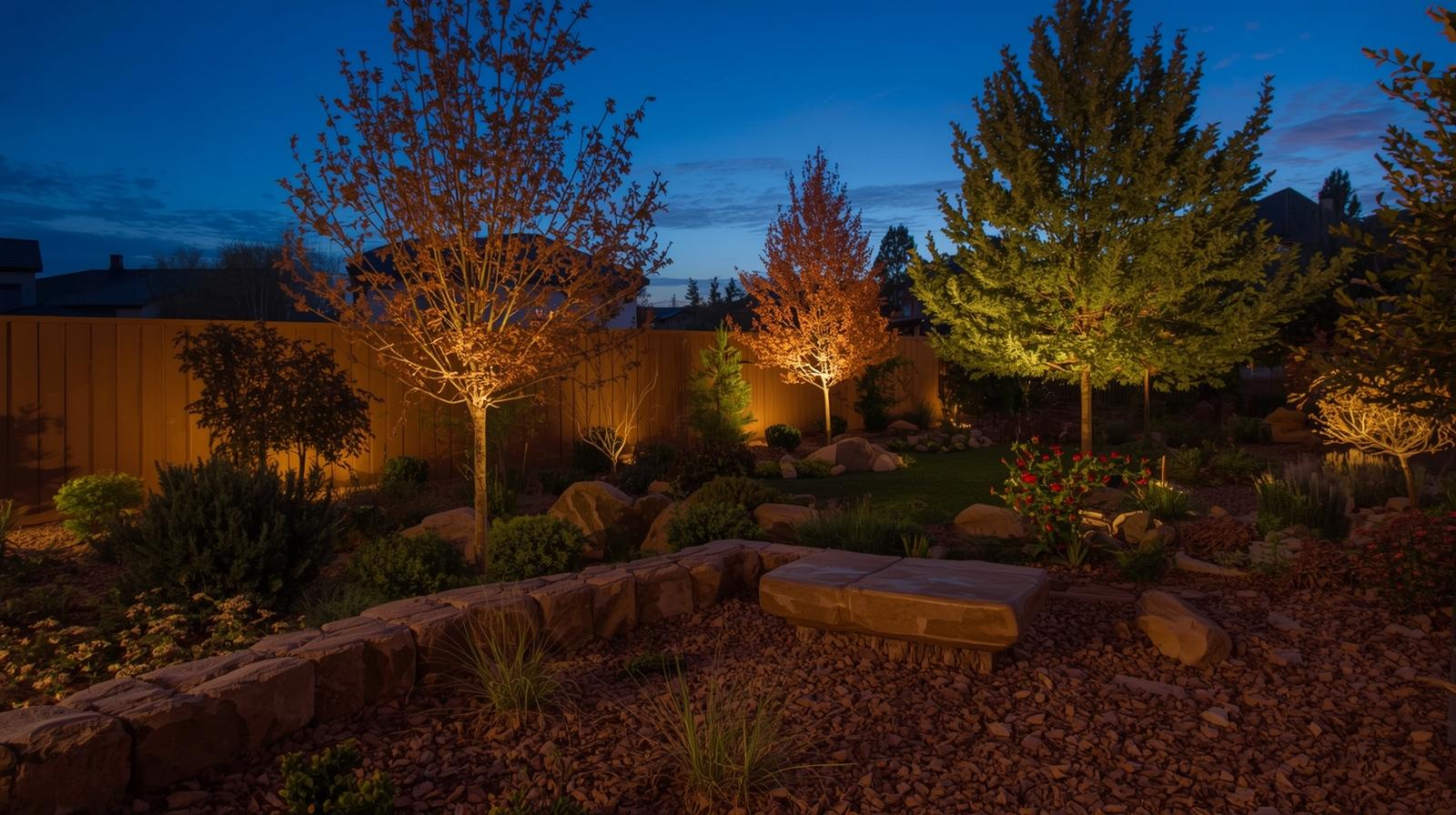
Expanding a landscape-lighting system can sound more complicated than it needs to be. The topic becomes much clearer when it is connected to your actual property, the way it is used, and the result you are trying to achieve. Denver landscapes often add paths, patios, and mature plantings after the original lighting plan was installed. From there, the important details can be discussed in plain language without a long list of technical possibilities.
The controller is only one part of an irrigation system. Reviewing transformer capacity, wire length, and voltage drop connects the programmed schedule with what is happening in the field. That matters because the same runtime can produce very different results from one zone to another. A useful adjustment should respond to coverage, exposure, soil, and plant needs rather than changing every area by the same amount.
The rest of the picture includes fixture wattage, connection condition, and control settings. Those details help explain why an area may remain wet, dry out quickly, or respond differently after a seasonal adjustment. They also matter when deciding whether the answer is programming, repair, plant-specific watering, or a note for work that should be completed before the next startup or shutdown.
This topic can be oversimplified by adding fixtures one at a time until dimming and inconsistent performance appear. That approach may address the easiest detail to see while leaving the original concern unchanged. Before moving ahead, it helps to compare that assumption with transformer capacity, wire length, and voltage drop and the way the property is used from day to day.
Run the system only if it is safe and appropriate for the season, then note the zone, the time, and what the water actually reaches. A short video can be more useful than changing several controller settings. You do not need a formal report. A few clear notes or photos related to transformer capacity, wire length, and voltage drop can make the first conversation far more useful.
Access can be just as important as the condition itself. If stored items, furniture, landscaping, tenant schedules, building rules, or another project affect the area, mention that before the service visit. It gives us a realistic plan for reaching the work and helps avoid a return visit that was needed only because an important area was unavailable. When reviewing expanding a landscape-lighting system, keep any follow-up tied to a clear change involving control settings.
The main decision is whether the existing transformer and cable layout support the expansion. A helpful recommendation should explain that choice in terms you can use: what will change, what will remain the same, how the work may affect your day, and what kind of maintenance or follow-up to expect. If two options are presented, the difference should be more meaningful than a basic-versus-premium label. You should be able to see what each option is intended to accomplish.
If the explanation starts to feel too technical, bring it back to three points: what is happening around transformer capacity, what role wire length plays, and what you will need to know about control settings later. Clear answers to those questions are usually enough to understand the plan.
A proportional recommendation explains both what needs attention and what can stay unchanged. That balance matters with expanding a landscape-lighting system, especially when a nearby feature looks related but does not affect the result. Knowing what is outside the work can be just as useful as knowing what is included.
We want the conversation about expanding a landscape-lighting system to end with a clear next step, not a vague warning or an oversized list of possibilities. That means focusing on the conditions that affect the result, explaining any reasonable alternatives, and being honest about anything the first service visit cannot settle. You should know what the work is meant to accomplish before deciding.
The goal is not to collect every possible concern around the irrigation system. It is to understand the few details that matter for expanding a landscape-lighting system and make a comfortable decision from there. A good result should make sense in everyday use, not only sound convincing in a proposal or service explanation.