
May Guide: Host Calendar, Sprinklers, and Bed Edges Before June Events
Line up guest weekends, honest zone maps, and bed lines before heat locks the story
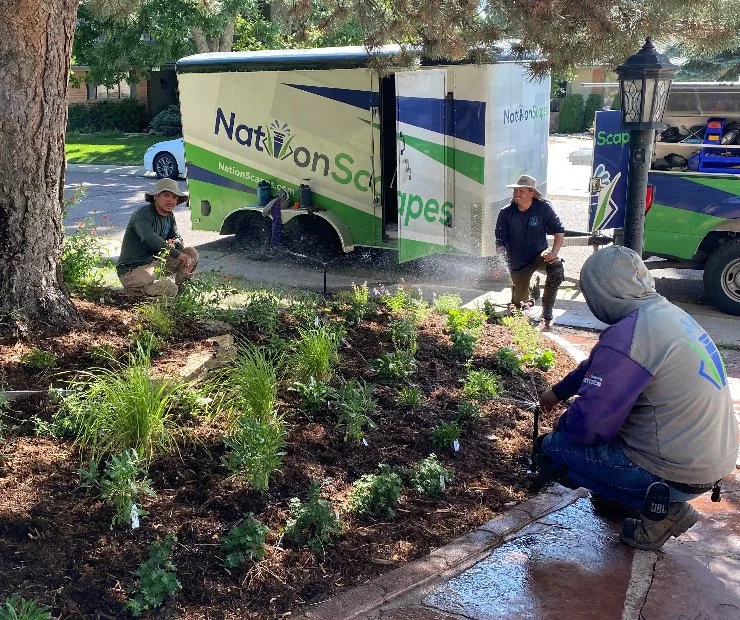
May on the Front Range fills fast with cookouts, graduations, and the quiet pressure to have the yard look settled before June heat arrives. A host calendar is not a fancy app; it is a short list of weekends that matter, what each outdoor space must do, and which sprinkler and bed tasks need to happen before those dates. When the calendar lives on paper beside the controller, you are less likely to discover a dry wedge the morning guests arrive.
NationScapes has served the Denver metro since 1998. If traffic already shows on turf or bed edges look tired from winter, read graduation week lawn traffic for the foot-path angle, then use this guide to line up zones, edges, and help before June routes tighten. Contact us or call 303-934-9130 when you want a maintenance check to validate what you mapped.
Naming the weekends that actually matter
Write down each event, expected guest count, and whether food prep happens indoors, outdoors, or both. Note which paths chairs will cross and whether tents or rentals need delivery access. In Littleton and Parker, the same two weekends often carry most of the spring hosting load; those dates should drive sprinkler proofing, not the other way around.
Work backward two weeks from the first big date for hydraulic fixes, one week for bed edges and mowing height, and three days for final walk-throughs. That rhythm keeps you from overwatering in panic the night before, which grows mushrooms and mud at the same time.
Mapping zones beside the calendar
Turn on one valve at a time and sketch where water lands. Label turf, beds, sun, and shade. Mixed zones in Highlands Ranch and Greenwood Village explain why one corner always looks different even when minutes seem fair. Pair the sketch with May sprinkler zone map guide if you want more detail on balance.
Confirm controller date, time, and actual minutes per zone after a full cycle. Smart summaries are useful, but the farthest head on zone three still tells the truth in mist or fan. Shift start times so dining areas are not soaked during setup.
Bed edges guests read without commenting
Crisp edges, mulch pulled back from trunks, and walks without grit matter in every background photo. Reset mulch volcanoes before heat locks wet chips against bark. If spray hits trunks every cycle, book sprinkler repair alongside bed work so hydraulics and layout stop fighting each other.
NationScapes landscaping touch ups can pair edge refresh with collar work when downspouts or slopes make beds messy. Mention which trees are original to the lot versus newer replacements so care matches age class.
Lawn color that survives traffic between events
Raise mowing height before busy weeks. Align fertilization and weed control with real coverage, not hope. Tell the lawn care team which paths wore thin last year so visits do not sit on top of hydraulic gaps you already know about.
If multiple zones need splits or valve work, May still beats July for scheduling across Arvada, Brighton, and the wider metro. Ask about a maintenance program when you want seasonal checks after the calendar and map are clean.
Walks, downspouts, and the paths rentals cross
Guests remember slick walks and muddy shoe prints longer than flower color. Blow grit off concrete, reset splash blocks, and check that downspouts do not sheet across a path you plan to use after dinner. In neighborhoods across Westminster and Centennial, a single afternoon storm after a dry spell can expose grading issues you forgot from last year.
If tents or tables arrive on trucks, walk the route once with a dolly and note soft lawn strips. Temporary plywood runs or lighter irrigation on those strips speeds recovery when the rental leaves. Add those notes beside the date on your calendar so May you is not guessing what June you already learned.
Booking help before June fills the story
Lighting checks belong on the calendar when any event runs past dusk. Paths and steps should read clearly without glare into dining areas. Trimming low branches before you hang lights keeps attachment modest and bark healthy.
Perimeter pest treatments work better when mulch is not piled against the foundation and walks are clear. If you already use perimeter service, note that on the calendar so outdoor prep and treatment weeks do not fight each other.
After each event, update the calendar with what wore thin: paths, corners, or beds. That log becomes next spring's honest to-do list instead of a vague memory that the side yard always fades.
June heat arrives fast once May hosting ends. The calendar you build now should list one mid-month coverage walk, not only event dates. Fifteen minutes with the system running beats discovering a new dry wedge on the Fourth of July.
Keep a pencil copy of the calendar in the garage even if you prefer digital reminders. Controllers and phones lose charge; paper still works when you are halfway through edging beds and cannot remember whether the sprinkler tech is due before or after the cookout.
When two events fall on the same weekend, note which yard zones each gathering uses. A graduation photo line on the side yard and dinner on the back patio may need different zones tuned, not one global run time bump. Write those zone numbers beside each event on the calendar so May adjustments stay specific.
Share the calendar when you request help so scheduling matches your real weekends. Bring event dates, photos of dry wedges, and your zone sketch to the first call. The goal is even color and safe walks through June, not a perfect spreadsheet. Host calendars age well when you update them after each party with what wore thin. That habit turns May into useful data for next spring instead of a blur of weekends. When the map shows more than a weekend of tweaks, contact us for a free quote and we will align sprinklers, beds, and lawn programs with how you actually host on the Front Range.
Ready for a balanced system?
Sprinkler checks, repairs, and programs across the Denver metro.