
South Facing Denver Lawn Strips Still on Spring Timer Settings
When the timer still matches April and the driveway edge already bakes
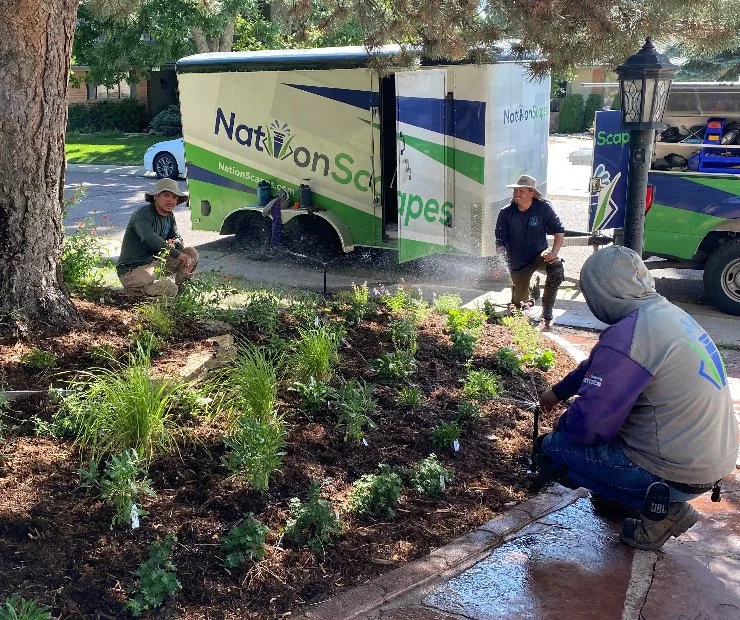
Mid May around Denver, Aurora, and Lakewood is when south facing lawn strips dry out even though the timer still matches cooler weather. The display shows twelve or fourteen minutes per zone, nights remain cool enough to hide thirst, and a pale band still hugs the driveway, the south fence, or the brick wall that catches afternoon sun. Those strips are not always broken heads. Often they are places where reflected heat, thin soil over hardscape, and overlap that looked fine in April no longer match what turf needs once days lengthen and schedules written in March still run unchanged.
This page covers south facing strips when timer settings lag behind the season, not a menu of every smart feature. Pair it with why south facing strips stay dry with long run times when you want the coverage picture first, then dry stripes and sprinkler arcs before you adjust valves. For repair help, contact us or call 303-934-9130 with photos from the same spot morning and afternoon.
Timer settings still set for April while the strip already bakes
Smart schedules and factory defaults often assume gradual warming. South strips beside drives and walks thaw first and bake first. Asphalt, concrete, and dark mulch radiate heat into grass that may only be eight or ten feet deep. Spray that wets the center of the lawn can still leave the edge thirsty because droplets evaporate before they soak in, or because the last head on the zone throws short of the hottest line.
Walk the strip at ten in the morning and again at four in the afternoon. If color shifts between those walks while the north side of the same lawn stays calm, sun and throw share the blame with run time. In tight side yards, one rotor aimed at the garage wall instead of the turf edge can waste water on brick while the strip beside it fades.
NationScapes can align maintenance checks with what you photograph so the visit tests real arcs, not only what the controller reports. Mention whether a smart schedule overrides manual minutes so technicians see what the system actually runs.
When adding minutes punishes the rest of the zone
The tempting fix is to add five minutes to every run on the valve that touches the strip. That often greens the hot edge while the shaded center of the same zone stays wet enough to invite disease or mower ruts. One valve serving both full sun and afternoon shade makes a blanket increase a poor choice. The better fix is usually head adjustment, a different nozzle, or a later conversation about splitting the zone, not more time on every run.
Compare your strip with using less water while keeping color even so you are not fighting efficiency goals while you chase one hot line. Cross check the zone map guide when you are ready to split valves by sun and planting.
Heads, pressure, and the last foot of throw
Pop ups along pavement often sit half an inch low after winter heave or mower passes. Rotors at the corner of a lot sometimes stop short of the next head, leaving a predictable triangle along the south fence that run time alone cannot fill. Mist at the farthest head on a zone usually means pressure loss or a partial blockage, not a need to double run time on every zone.
If you need parts or leveling, sprinkler repair visits stay calmer in mid May than the first ninety degree week when everyone calls at once. Replace nozzles with the same model and flow when you can; mixing brands on one zone often changes overlap in ways that look fine at the head and fail halfway between.
Lawn programs still need accurate water data
Fertilizer and weed control only help where roots actually receive water. Tell technicians about south strips when you book lawn care so visits do not sit on top of coverage gaps you already suspect. Compare stubborn patches with brown patches and common causes so you are not treating disease where the map is coverage.
In east metro neighborhoods, cool nights can mask thirst until afternoon sun sharpens the strip. Notes about which hours the band looks worst help estimators decide between repair and design.
Startup habits that hide the problem until now
If you turned the system on in April using last year's schedule, south strips may have looked fine while nights were still cool. Mid May is when those schedules fall behind the weather. Re-read what to expect at spring startup if you are unsure whether valves were fully exercised.
Wind on the Front Range can make you think a zone is balanced when spray never reaches soil. Repeat your walk on a still morning after you adjust a head, then again after the next windy afternoon. Salt and de icing residue along walks can stress grass even when water is adequate. Rinse buildup where strips hug concrete before you replace nozzles.
What helps us plan the first visit
Wide shots of each zone, close shots of heads along the hot strip, and the controller brand help estimators plan a realistic first visit. Sketch which side of the house faces south and mark where pale turf begins and ends. If a smart app shows adequate time while your eyes disagree, photograph the weekly schedule so we test what runs, not what you remember setting last July.
NationScapes ties sprinklers, lawn care, and landscaping so summer color rests on coverage you can trust. Update south strip timers before summer heat arrives and you buy steady color for the whole hosting season. Contact us for a free quote when the strip needs more than a single screwdriver tweak.
Mowing height and the strip that never gets tall enough
Short mowing along hot edges keeps grass from shading its own crowns. Raise height one notch on the whole lawn if you must, but pay special attention to the south band. Scalped strips recover slower at elevation than they do in milder climates, even when water is finally reaching the roots.
If dogs run the same fence line, combine traffic wear with sprinkler fixes. Aeration may help after coverage is correct, not before.
Recording what changed so July does not reset the problem
When a head returns to level and throw reaches the wedge, take an after photo from the same spot as your before shot. Note controller changes in plain language on the garage whiteboard: date, zone, old minutes, new minutes. Future you will know whether May work held instead of guessing.
Need timer settings that match May sun?
Sprinkler checks and repairs across the Denver metro. Free quotes.