
Shared Sprinkler Valves Waste Water on Denver Beds and Lawns
One valve floods mulch while the first two feet of lawn beside the bed stay dry
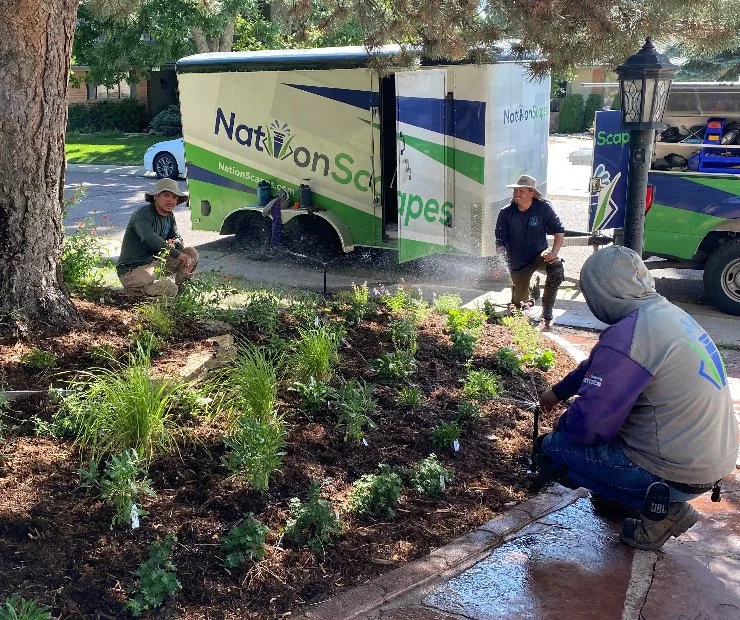
Walk any block in Lakewood, Centennial, or Englewood in late June and you will see the same stripe: green shrubs and dark wet mulch on one side, pale crisp grass on the other. The lawn edge beside the bed did not fail because you forgot to water. It failed because shrub heads, driplines, and lawn spray all run together on one valve that was never mapped for two different plant types. Confirm Stage 1 style rules with your city and provider once. That shared program soaks bark while turf in full sun on clay dries faster than the controller assumes. NationScapes sprinkler crews, lawn care teams, and shrub trimming staff see this layout on countless Front Range lots built before bed lines were treated as their own watering conversation.
What mixed valves waste in hot weather
Shrub zones often use low flow heads or drip that targets root balls and mulch. Lawn zones need overlap from spray heads with enough throw to cover open turf. When both share one program, the clock runs long enough to keep shrubs happy. Mulch stays soggy. Fungus risk on woody plants rises. Meanwhile the lawn strip at the bed edge sits in the gap between shrub spray and the nearest turf head, especially after shrubs grow wider each year. Run time goes to mulch twice while the edge never gets what actually hits the grass.
Adding minutes fixes almost nothing. Extra runtime floods the bed while the dry edge still misses spray because geometry never changed. Hand watering the edge once proves the point: if only the hose band greens up within a few days, the problem is coverage and valve design, not fertilizer or disease.
Diagnose the bed line at dusk
Run the mixed zone when you can see spray arcs clearly. Watch where water lands on the first foot of lawn versus the mulch pocket. Flag heads that hit trunks only, heads blocked by overgrown juniper, and low pop ups buried below grade after years of edging. Photograph wet bark and dry turf in the same frame with the zone number visible on the controller photo for reference.
A maintenance check catches stuck shrub heads that weep constantly, nozzles swapped with the wrong flow rate, and arcs turned away from the lawn side years ago during a quick fix. Catch cup tests show whether overlap exists on the turf panel or whether you are relying on luck and extra minutes the soil cannot use.
When to split valves instead of editing minutes
If beds and lawn truly need different schedules, hardware beats seasonal adjust forever. Sprinkler design evaluates whether you can move shrub irrigation to its own valve, add drip for beds only, or relocate heads so turf overlap reaches the bed line without soaking bark every cycle. Sometimes one new line and a valve split cost less than years of wasted run time and replaced edge sod.
Sprinkler repair handles the mechanical side: raising sunken heads, swapping nozzles for matched precipitation, fixing leaks that steal pressure from the dry strip, and separating shrub lines where plumbing already allows. On properties in Arvada and Wheat Ridge with narrow side yards, a small surgical change on the failing exposure beats copying a neighbor's controller settings on different soil.
Trimming opens paths spray needs
Leggy shrubs are sprinkler obstructions. When viburnum or spirea grows over the bed line, spray that once reached the lawn now hits leaves and drips into mulch. Shrub trimming restores airflow and throw without stripping the plant. Pair trimming with a head adjustment on the same visit so clearance lasts through this dry summer.
Woody plants in mixed zones also need feed and pest care on their own timeline. A tree and shrub care program handles nutrition and inspection separately from turf products. Dumping lawn fertilizer toward the bed edge to green the strip often burns grass and does nothing for roots under mulch.
Lawn care after coverage is honest
Once spray reaches the edge consistently on the days you may water, lawn fertilization and routine mowing at proper height help the strip recover. Edge strips compact from bed maintenance equipment and foot traffic beside walks. Core aeration on sunny panels improves intake when water finally arrives. Brown edges on south facing geometry may also involve turf mites; compare patterns with open lawn in full sun rather than assuming every dry edge is irrigation alone.
Afternoon wind on west facing lots steals mist before it crosses narrow side yards. Watch one cycle at the hour your patio feels hottest. If heads never finish their arc on the toe beside the driveway, mechanical fixes come before another product pass from the garage shelf.
Document mixed zones for fall and next year
Keep a simple map of which valves feed beds only, lawn only, and mixed areas still shared. Blowout programs need that note so winterization clears shrub driplines and lawn lines fairly. Summer arc fixes should not wait until fall, but reserving winterization while ignoring overlap guarantees the same dry edge returns next June beside the path guests use after dark.
NationScapes serves homeowners from Denver to Highlands Ranch. For design, repair, and lawn programs that respect bed lines, contact us with photos of wet mulch, dry turf closeups, and wide shots of each mixed bank. Call 303-934-9130 for a free quote when shrubs and grass need separate schedules instead of one tired valve wasting water on both.
Dry Edges Beside Wet Beds?
Design, repairs, trimming, and lawn care coordinated for Denver metro lots.