
Repair or Replace Your Sprinkler System? Know the Signs
If one part of your yard stays brown while the strip by the sidewalk turns into a mini marsh, it’s fair to wonder if you should repair a part or replace sprinkler system parts altogether. In...
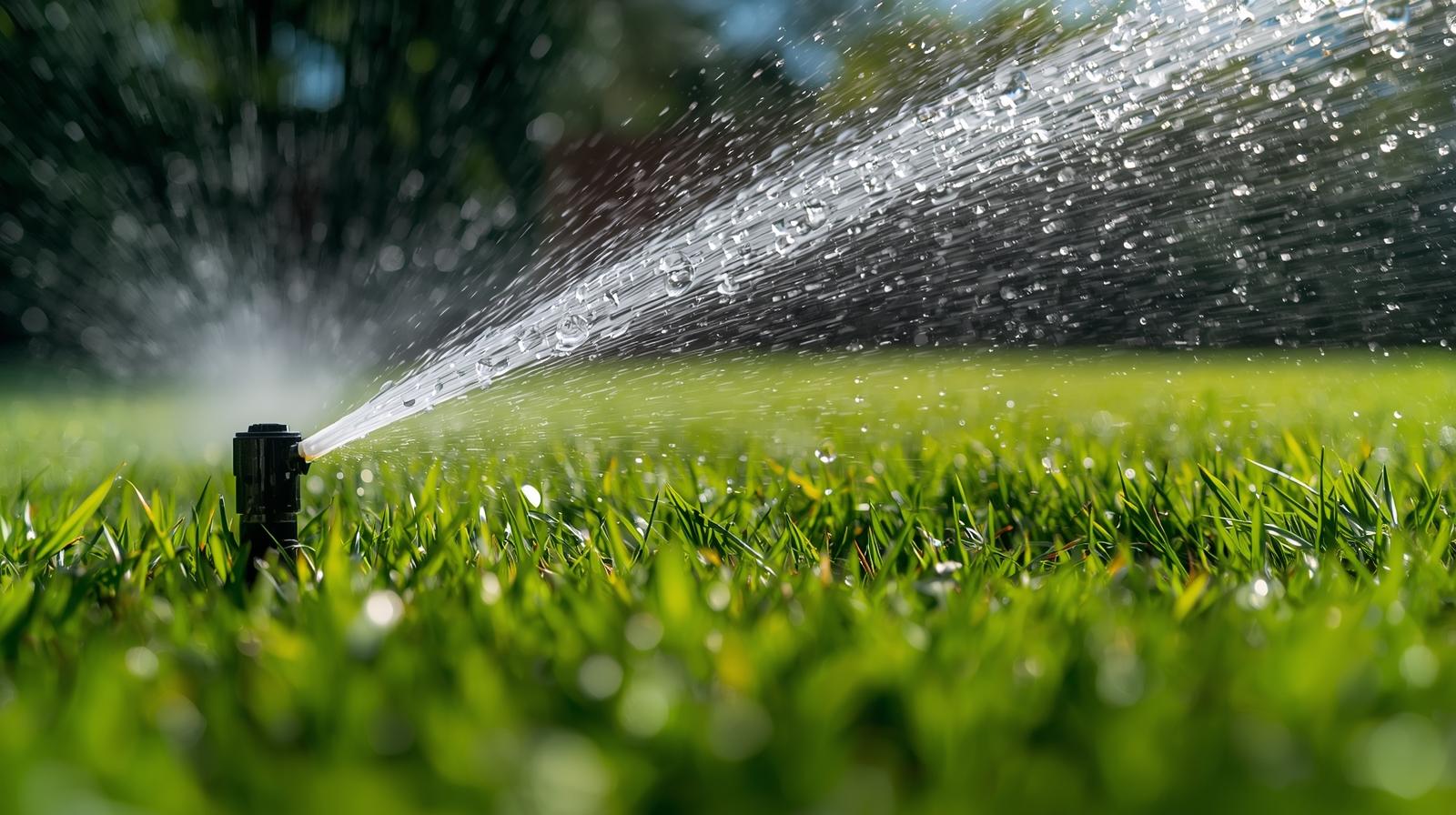
If one part of your yard stays brown while the strip by the sidewalk turns into a mini marsh, it’s fair to wonder if you should repair a part or replace sprinkler system parts altogether. In Denver, that question comes up fast once dry weather hits, because a small watering mistake shows up in your lawn almost immediately.
Repair or replace your sprinkler system? start with What’s actually going wrong
Not every sprinkler problem means your whole system is done. A lot of issues come from ordinary wear, one damaged component, or a zone that needs adjustment.
Here’s the thing: isolated problems usually deserve a repair. Repeated breakdowns, rising water waste, and outdated equipment usually point toward replacement. The trick is noticing the pattern, not just the latest symptom.
Signs a sprinkler repair still makes sense
A repair makes sense when the problem is limited, the rest of the system works normally, and you are not stacking one service call on top of another every season. That is the sweet spot for fixing what is broken and moving on.
Broken sprinkler heads, clogged nozzles, and small leaks
Sprinkler heads get kicked, cracked, tilted, and worn down. Nozzles, which are the small parts that shape and spray the water, can clog with dirt or mineral buildup. Small leaks can show up around a head or fitting after normal use, freezing, or a run-in with lawn equipment.
Those are usually repair jobs, not replacement jobs. If the system is otherwise covering the yard well, swapping a damaged head, cleaning or replacing a nozzle, or sealing a minor leak is often enough. Think of it like replacing one bad burner on a stove, not ripping out the whole kitchen.
Low pressure in one zone or a valve issue
A zone is one section of your yard that waters on its own schedule. If just one zone has weak spray, sputtering heads, or does not turn on or off correctly, the problem often comes down to a valve, wiring issue, or blockage in that section.
That matters because one weak zone does not automatically mean your whole irrigation setup is failing. A stuck valve or pressure problem in one area is usually repairable, especially if the rest of the lawn is watering normally.
Your system is otherwise fairly new
Age changes the math. If your sprinkler system is fairly recent and the trouble is limited to one part, repair is usually the right call.
A newer system with one bad part does not need a full replacement. That is the simplest rule in this whole decision.
Signs It’s time to replace your sprinkler system
Sometimes repairs stop being practical and start turning into a routine. If your system keeps wasting water, missing parts of the yard, or needing attention every time the season changes, replacement can be the smarter buy.
You’re Calling for repairs over and over
One repair is normal. A string of repairs every spring or mid-summer is different.
At that point, you are not really fixing a problem. You are managing decline. It is a lot like an old refrigerator that quits on the hottest weekend of July, gets patched, then starts acting up again a month later. The invoice might stay smaller each time, but the hassle keeps growing.
Your water bills keep climbing without a clear reason
If your lawn still looks patchy but your water use keeps creeping up, something is off. Hidden leaks, heads spraying the sidewalk, misting from poor pressure, and aging components can waste a surprising amount of water.
In Denver and surrounding areas, that gets frustrating fast. Dry conditions already make watering feel like a balancing act, so paying more for runoff on the driveway or soggy soil near the curb is a bad trade.
The system is old or parts are hard to find
Older systems tend to show wear everywhere at once. Valves get sluggish, underground lines turn brittle, controllers become unreliable, and replacement parts get harder to find. Once a system reaches that stage, each repair can take more time and cost more than it should.
The catch is that age does not just affect one part. It affects how all the parts work together. If repairs depend on discontinued components or workarounds, replacement starts making more sense.
Your yard, trees, or planting beds have changed
Your sprinkler system was designed for the yard you had at the time. If you have added trees, expanded shrub beds, changed lawn areas, or reshaped the landscape, your old layout may now be watering the wrong places.
That creates a familiar Denver problem: one area dries out while another gets too much. A mature tree near the parkway, a newer planting bed by the front walk, or a reduced lawn area can throw off coverage enough that the old design no longer fits your yard.
You want smarter watering, not more guesswork
Modern irrigation can do a much better job of matching water to actual conditions. Better zoning, improved heads, and smarter controllers can cut down on waste and reduce all the manual tweaking.
If your current setup cannot support updated scheduling or water-saving features, replacement may be the cleaner path. Sometimes upgrading piece by piece works. Sometimes it just drags out the same old problems.
How to decide between repair and replacement without overthinking it
You do not need a giant spreadsheet for this. A few simple checks usually make the answer pretty clear.
Compare the cost of this repair to the pattern of past repairs
Start with the current estimate, then look backward. One reasonable repair after a few quiet years is not a big deal. Multiple fixes across the last year or two, especially if they involve different parts of the system, tell a different story.
Patterns matter more than one-time price tags. If every season starts with a new leak, stuck valve, or dead zone, the total cost is bigger than the latest invoice.
Look at how much of the system is affected
Scope tells you a lot. One valve box, one damaged lateral line, or one trouble spot usually points toward repair. Multiple failing zones, recurring leaks in different areas, or broad coverage issues point toward replacement.
If the problem keeps moving around the yard, the system is usually the problem. If it stays in one place, repair is often enough.
Factor in water waste, lawn stress, and your time
Do not look at part cost alone. A sprinkler issue also costs water, lawn health, and your attention. Brown patches, soggy spots, runoff across sidewalks, and constant schedule adjustments all add up.
That hidden cost is real. If you are checking heads every week, moving water by hand, or watching shrubs struggle because one bed gets missed, replacement may save more than it costs.
What replacement usually involves
Replacement sounds dramatic, but it usually means rebuilding the system to fit your yard better, not tearing up everything for no reason.
Reworking zones, heads, and coverage
A replacement often starts with layout. Heads may be moved, spray patterns adjusted, and zones reorganized so lawn areas, trees, and shrub beds get the right amount of water.
That matters because different plantings do not all want the same schedule. Grass near full sun, foundation beds, and established trees should not always be treated like one big watering area.
Updating valves, wiring, and the controller
Some of the biggest headaches live underground or in the control box. Valves, wiring, and the controller, meaning the timer that tells the system when and how long to run, often cause the repeat failures that never seem to fully go away.
Replacing those behind-the-scenes parts can solve the stop-and-start issues that keep showing up as “random” problems above ground.
Adding smart scheduling for denver-area conditions
Denver weather changes quickly. You can get a hot dry stretch, a cool snap, and a freeze risk near the edges of the season. A smarter controller can adjust scheduling more accurately and reduce the guesswork.
That can include simple weather-based timing, seasonal adjustments, or rain and freeze shutoff features. The point is not fancy tech for its own sake. The point is watering your yard with less waste and less babysitting.
Common mistakes to avoid before you replace a sprinkler system
A few bad assumptions can push you toward the wrong decision. Avoid these, and the choice gets easier.
Replacing parts one by one without fixing the root problem
Small swaps feel cheaper in the moment. But if the real problem is pipe damage, bad pressure, poor spacing, or an outdated layout, replacing individual parts just turns into a slow drip of expense.
If the same symptoms keep returning, the root problem is still there.
Assuming every dry patch means the whole system is done
Not every brown spot means full-system failure. Sometimes one blocked head misses an area. Sometimes a nozzle is aimed wrong. Sometimes the issue is soil, slope, or a schedule that needs adjusting.
That balance matters. You want to avoid overreacting just as much as you want to avoid endless patch jobs.
Choosing the cheapest option without thinking about long-term use
The lowest upfront price is not always the best buy. A cheaper fix that keeps wasting water or leads to more repeat visits can cost more over time than a thoughtful replacement.
Your yard has to live with the outcome. So does your water bill.
The best next step for your yard
Before making a decision, run a full watering cycle and walk the yard. Check for leaks, weak spray, soggy spots, runoff onto concrete, and zones that miss trees or planting beds. That one walk tells you more than guesswork ever will.
If the issues are isolated, a repair can absolutely do the job. If the problems are constant, system-wide, and getting more expensive, replacement is the better move. Try that yard walk first, and the answer usually gets a lot clearer.
Disclaimer: This article is for general informational purposes only. It is not professional advice, a quote, or a service agreement. Conditions at your home or property may differ; contact a qualified professional for an on-site evaluation before making repair, safety, or spending decisions.
Need Sprinkler Repair in the Denver Metro?
Leaks, valves, heads, and wiring. Licensed local crews. Free quotes.