
Update Sprinkler Timers for South Facing Denver Strips
Spring run times leave south facing strips dry by lunch while walks still get sprayed
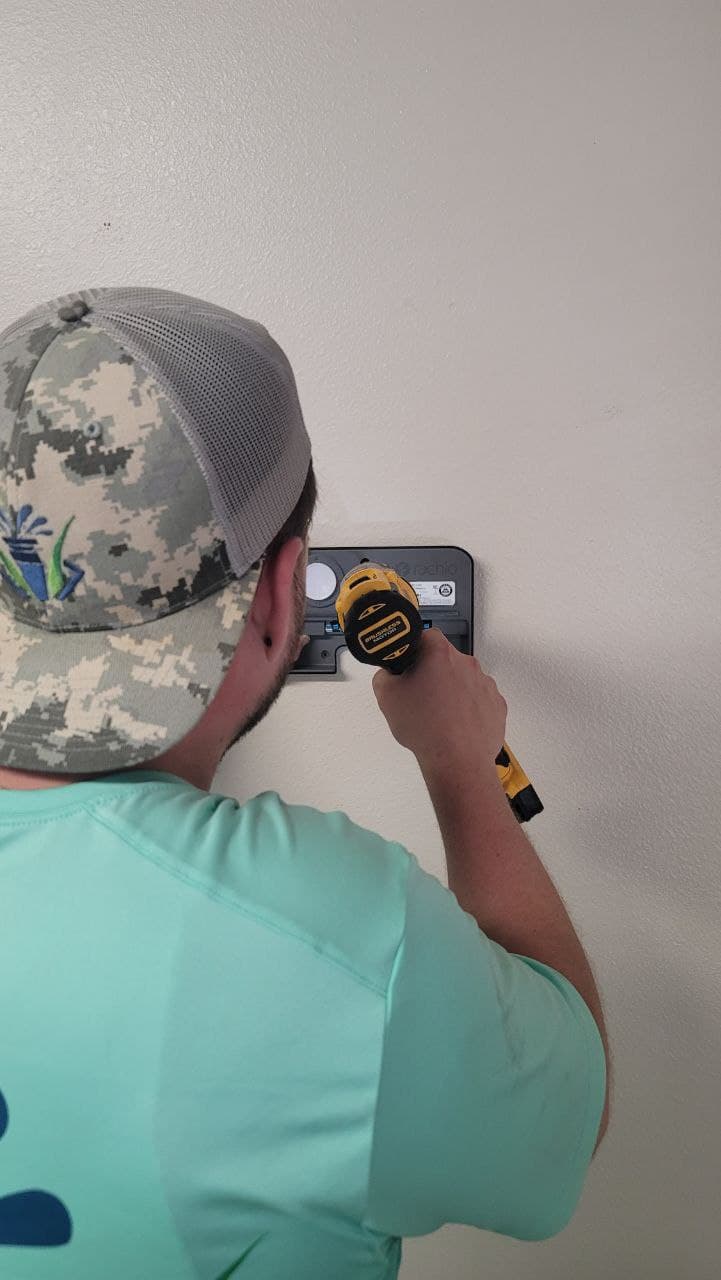
Early June in Denver feels like two seasons on the same lot. The north side of the house may still look soft and spring green while a south facing strip beside the driveway turns silvery by afternoon. Most controllers still carry April or May run times, and a global seasonal bump rarely fixes the mismatch. Many Denver Water customers and other metro providers follow Stage 1 style rules: two outdoor watering days per week and cooler hour windows. Confirm the rules for your city and provider once. Reflected heat from concrete, light colored siding, and open sky adds demand that shade on the same valve never sees.
NationScapes crews see this pattern every year across Lakewood, Wheat Ridge, and Centennial. The fix starts with honest coverage, then timer edits targeted to the exposure that actually changed, inside the days you may water. Below is a practical order of operations before peak summer heat arrives.
Spring minutes fail on hot south banks
If footprints stay visible on a south slope by mid afternoon while turf on the north half of the same zone springs back by morning, you have an exposure problem, not a lawn that suddenly hates water. Spring schedules assume cooler nights, shorter days, and less evaporation. Once daytime highs climb, those assumptions break on sunny geometry long before they break under trees.
Walk the south bank at dusk and run that zone from the low side of the slope. Watch for mist that never reaches the toe, runoff that races downhill before soil accepts water, and heads that throw short because pressure dropped or nozzles are wrong for the arc. Note which spots dry first. That map tells you whether you need better throw, cycle and soak, or both before you spend another watering day poorly.
Fix throw before you bump every zone
Adding ten percent across the board is the fastest edit and often the worst one. Blocked heads, sunken bodies, clogged nozzles, and leaks upstream fail before minutes do, especially on sloped lots in Arvada and Westminster. A dry band in the middle of an otherwise green zone usually means a coverage gap, not thirst across the whole run.
A professional maintenance check confirms overlap, pressure, and head aim before you teach the controller summer depth. If repairs are needed, sprinkler repair closes gaps that timer tweaks only mask. Smart controllers with seasonal adjust sliders still need correct base run times and days that match your provider rules.
Split run times on clay slopes
Denver metro clay accepts water slowly. Pouring longer single cycles on cut slopes often produces runoff into the gutter while the root zone stays dry. Cycle and soak splits the same total minutes into two or three shorter passes with a rest between them so water soaks in instead of racing away.
Many controllers support multiple start times per day. Use that feature on south facing zones first rather than doubling one long block. Compare how the lawn responds for a week of legal watering days before you touch north shade zones that were never stressed. Small surgical edits beat copying a neighbor's settings on different soil and slope.
Wind, reflection, and shared valves
Open west lots lose spray to afternoon wind before low heads finish their arc. Stucco and driveway edges radiate heat into turf that the controller treats like open lawn. Side yards on Littleton lots often mix entry walks, peek sun, and tree shade on one valve, which soaks bark while lawn edges beside the walk stay pale.
When the controller allows, split mixed plant zones or adjust individual heads instead of flooding the whole run. Watch one cycle at the hour your patio feels hottest. Photographs of dry toes, wet bark, and overlap gaps help a technician route the visit with the right parts already on the truck.
Brown grass is not always thirst
Stippling on south banks can be mite pressure, not heat alone. Adding minutes when insects are feeding makes humidity at the surface worse and can invite other problems. Walk the pattern. Uniform silvery stress on full sun bands points to water. Fine speckling with webbing hints at pests. If the story does not fit, lawn care can separate cultural causes from irrigation gaps before you rewrite the whole program.
Once water matches exposure on the days you may water, fertilization and recovery practices respond better on south banks that were starving despite your best intentions on the clock.
Smart controllers still need your eyes
WiFi controllers and weather based adjust tools help, but they average conditions across a zip code or a sensor in one bed. Your south strip beside the garage is not the same hot exposure as the park down the street. Review the app after the first hot week. Confirm which zones got water on assigned days and whether the dry band actually improved. Confirm cool hour windows match your provider.
If you installed a smart system recently, a sprinkler installation follow up or maintenance program keeps seasonal curves honest as summer heat builds. Fall blowout scheduling runs smoother when the summer map is already fair and leaks are not hiding under green north turf.
A simple timer mindset
Measure the band that failed first. Fix heads and overlap on that exposure. Add split cycles or targeted minutes only where sun and slope demand it, on the days you are allowed to water. Leave north shade alone until it tells you otherwise. NationScapes works across the metro from Thornton to Highlands Ranch. For sprinkler checks, repairs, or seasonal programs, contact us for a free quote or call 303-934-9130. Bring controller screenshots, your watering day rules, and photos of the south bank that browned first.
Timers Still on Spring Minutes?
Maintenance checks, repairs, and programs for Denver metro sprinklers. Free quotes.