
What a Sprinkler System Inspection Covers
A sprinkler inspection is not someone glancing at a green lawn and calling it good. Around Denver, a system can look fine in May and show every weak zone in a windy July. The inspection is the...
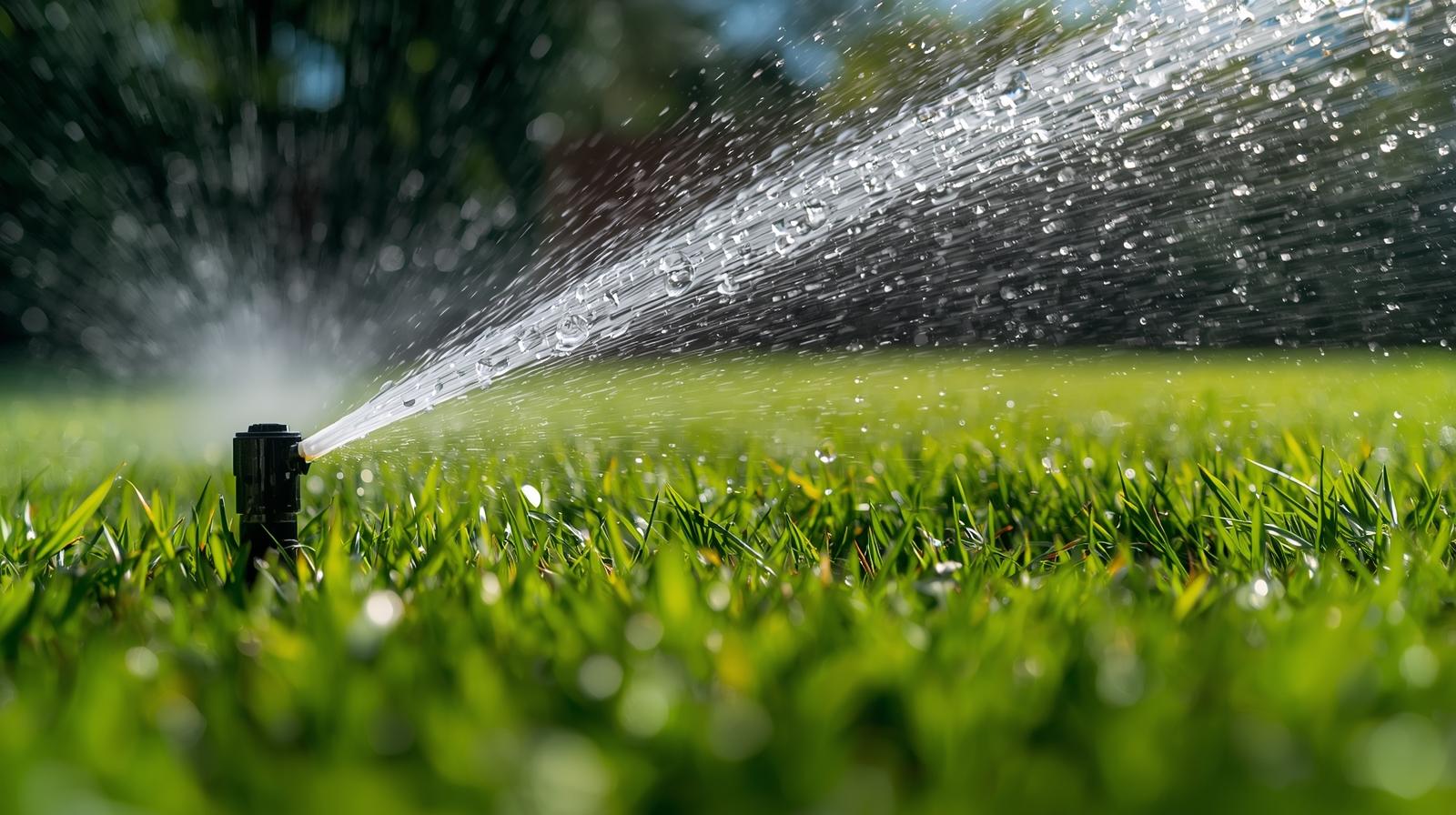
A sprinkler inspection is not someone glancing at a green lawn and calling it good. Around Denver, a system can look fine in May and show every weak zone in a windy July. The inspection is the pass that checks whether water is landing where the yard needs it, and whether the parts that move that water are still doing their jobs.
What the visit is trying to answer
The question is simple. Does each zone water the area it was built for, evenly enough, without leaking, puddling, or quitting early? Everything else is detail in service of that.
Here’s the thing: brown spots and runoff are symptoms. The inspection is how you find out whether you are looking at a clogged nozzle, a tilted head, a valve that does not close, a line that is losing water underground, or a controller schedule that no longer matches the landscape. Those fixes are not interchangeable.
What gets checked while the system runs
A real inspection turns zones on. A clipboard from the sidewalk does not.
Heads, nozzles, and coverage
Each head should pop, rotate or spray the pattern it is supposed to, and drop again. The tech is looking for heads that are broken, buried, tilted, or blocked by new growth. They are also looking at overlap. One head should reach into the next. A dry diamond between two heads is a coverage miss, not a mystery disease.
Shrubs and trees that grew into the spray change this picture. A head that was right ten years ago can now be watering a trunk and missing the lawn behind it.
Valves, leaks, and pressure
A zone that will not start, will not stop, or arrives with a weak mist instead of a proper spray is a valve or pressure conversation. So is a wet spot that appears when that zone runs and fades when it does not. The inspection should separate a leak in the ground from a head that is simply dumping in one place.
Low pressure across one zone and low pressure across the whole system are different findings. You should hear which one they saw.
The controller and the schedule
The controller is part of the system, not a side note. The inspection should confirm that the zones on the dial match the zones in the ground, that start times make sense for the season, and that a zone is not still programmed for a bed that was removed. In Denver, a schedule copied from a wetter month, or from a different yard, shows up as runoff or as a bank that never catches up.
This is a check of what the clock is telling the yard. It is not a tutorial for reprogramming it yourself.
What you should receive afterward
You should know which zones are fine, which ones are not, and what the fault appears to be. “Needs some work” is not a finding. “Zone three has two broken heads and the spray no longer reaches the walk” is a finding.
Ask what they would repair now and what they would watch. Ask whether any symptom is grade or drainage rather than a sprinkler part. Ask what startup and winterization would add to this picture if you are inspecting in another season. A summer inspection and a spring startup are related, but they are not the same visit.
A spring look and a July look are not the same visit
Startup after winter proves the system survived the freeze and that each zone still runs. A midsummer inspection proves the coverage still matches a hot, windy yard. Both are worth doing. They answer different questions.
In spring, the findings are often broken heads, leaks that appear when the system is charged, and a controller that still thinks it is October. In July, the findings are more often overlap that fails on a slope, a schedule that made sense in May, and shrubs that grew into the spray. If you only inspect once, say which problem you are trying to catch. A good company will not pretend those visits are interchangeable.
When an inspection is the right call
Call when the lawn is telling you the water is uneven, when a zone misbehaves, or before you assume a dry summer is only a dry summer. Also call after construction, new beds, or a landscape change that the original zones were not designed around.
Try one thing before the appointment: note which areas are dry, which are soggy, and whether that happens during a cycle or after it. That timing tells the inspection where to start.
Disclaimer: This article is for general informational purposes only. It is not professional advice, a quote, or a service agreement. Conditions at your home or property may differ; contact a qualified professional for an on-site evaluation before making repair, safety, or spending decisions.
Need Sprinkler Repair in the Denver Metro?
Leaks, valves, heads, and wiring. Licensed local crews. Free quotes.