
When a Sprinkler Schedule Stops Matching the Yard
A sprinkler schedule is a guess that used to fit. In Denver, the yard changes and the guess often does not. Trees fill in. A bed becomes lawn, or lawn becomes rock. A slope that used to drink now...
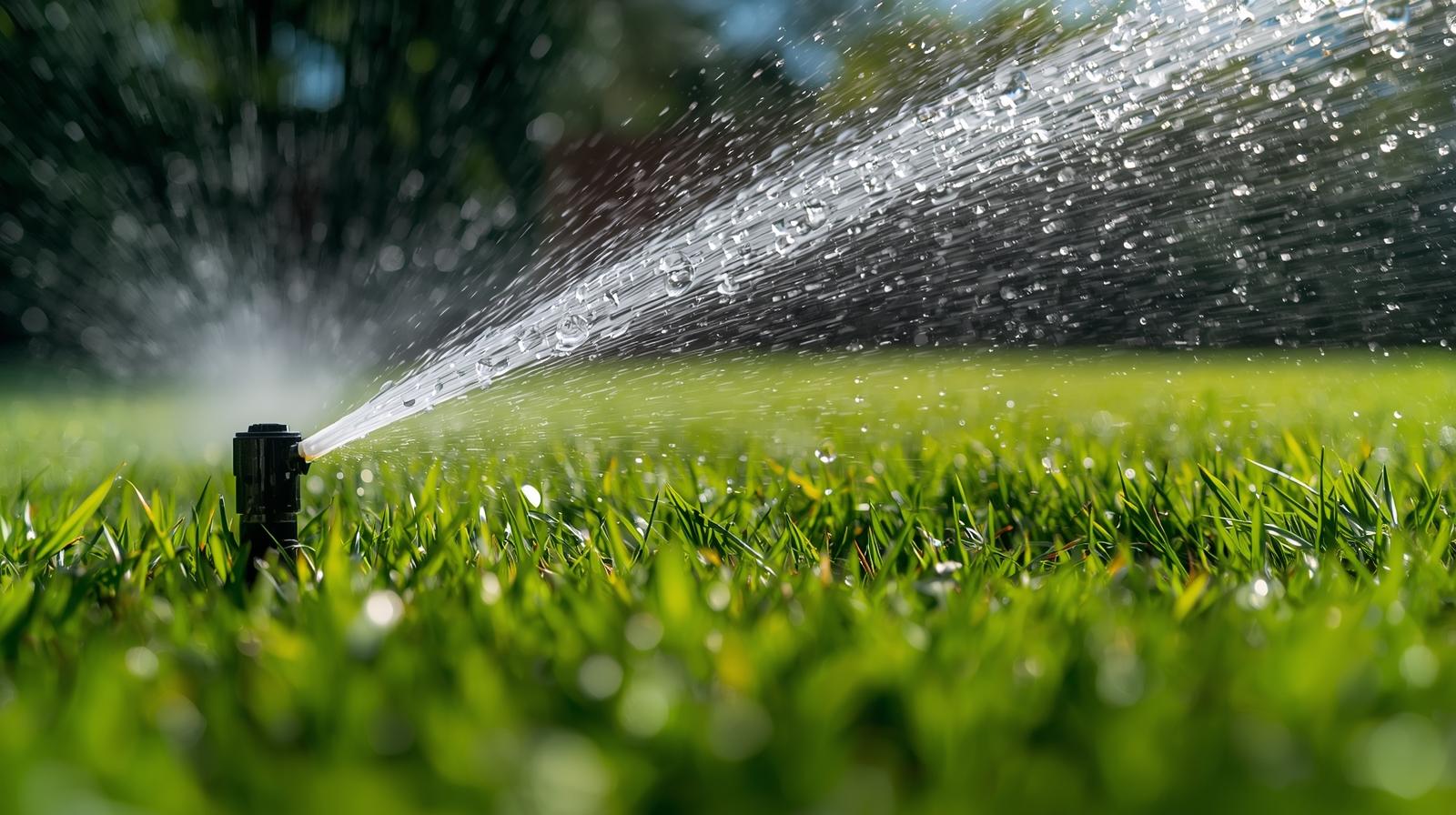
A sprinkler schedule is a guess that used to fit. In Denver, the yard changes and the guess often does not. Trees fill in. A bed becomes lawn, or lawn becomes rock. A slope that used to drink now sheds water into the gutter. The controller keeps running last year’s idea, and the lawn reports the difference as a brown bank or a soggy walk.
A schedule is not the same thing as coverage
People blame the clock when the heads are the problem, and they blame the heads when the clock is the problem. Both happen.
Here’s the thing: if a zone never reached a corner, adding minutes will mostly make a puddle somewhere else. If a zone used to be enough and now the same plants look thirsty every July, the schedule, the exposure, or the plant size may have changed. Telling those apart is the actual job.
Signs the old schedule and the yard have split
You can see it without opening the controller, which is good, because the controller is not the place to experiment.
Dry spots that stay dry even after a long cycle
A corner by the driveway, a south-facing bank, or a strip the wind beats on can dry out while the rest of the zone looks fine. If that spot is still dry after the cycle has clearly run, more time on the same mis-aimed heads will not paint water onto it. The pattern has to reach the spot. Until it does, the schedule is being asked to solve a coverage problem.
Runoff that starts before the soil has had a drink
Clay soil around Denver often cannot take water as fast as a spray applies it. If water is sheeting onto the sidewalk partway through the cycle, the zone is applying water faster than the ground will accept, or a low head is dumping instead of spraying. A longer single run makes that worse. The lawn stays dry underneath and the gutter gets the rest.
That is a schedule and hardware conversation for a technician. The symptom to report is simple: where the water leaves the yard, and how soon into the cycle it starts.
Zones that no longer match what is planted there
A zone built for lawn does a poor job in a shrub bed, and a zone built for a new planting can drown turf that replaced it. If you have changed the landscape and never changed the zones, the schedule is watering a yard you no longer have. The inspection should say so. The fix is a professional adjustment of that zone, not a new habit of turning the system on and off by instinct.
A program that ignores the season
Denver’s water need in late spring is not the need in a hot, windy July, and neither is the need in September. A schedule that never changes will be too much in one month and not enough in another. Startup settings left in place all summer are a common version of this. So is a midsummer program still running when the nights have cooled and the lawn has slowed down.
A company that services systems here should be able to explain how they think about that shift. You should not have to build the calendar yourself.
What to tell the company
Tell them which zone, what the yard is doing, and whether it happens during the cycle. Dry during a run, wet after a run, and wet only in one footprint are three different reports. Photos of the spray, if you can take them without spending the visit adjusting heads, help. Leave the nozzles, the valves, and the programming to the person who is there to service the system.
Ask what they would change first, the hardware or the schedule, and why. Ask what they would expect the yard to do on the next cycle if that change is right. A specific expectation is a better sign than a promise that the lawn will be perfect.
When it is time to stop living with the old program
Call when the same spots disappoint every week of hot weather, or when you are shortening and lengthening zones without the yard getting more even. The schedule is supposed to serve the landscape. When it does not, the next step is a look at the zones, not another season of guessing.
Try one thing on the next run: watch one problem zone from start to finish and note when the dry spot or the runoff begins. That note is the most useful thing you can hand a technician.
Disclaimer: This article is for general informational purposes only. It is not professional advice, a quote, or a service agreement. Conditions at your home or property may differ; contact a qualified professional for an on-site evaluation before making repair, safety, or spending decisions.
Need Sprinkler Repair in the Denver Metro?
Leaks, valves, heads, and wiring. Licensed local crews. Free quotes.