
A New Sprinkler Design Should Separate Sun, Shade, Turf, and Beds Before Any Trench Is Dug
Map sun, shade, turf, and beds before the zone plan becomes pipe in the ground
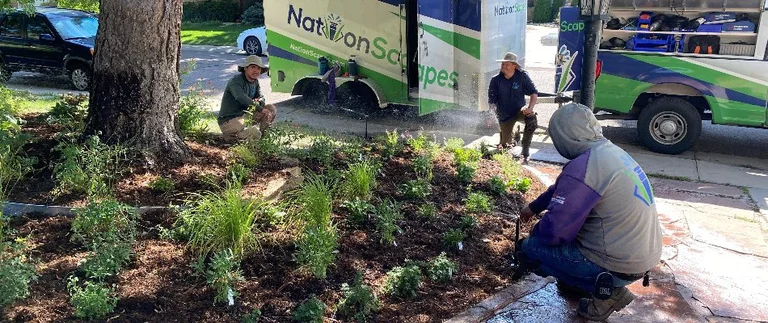
A sprinkler system can contain good equipment and still produce a poor lawn. The controller can be new. The heads can operate correctly. The pipe can remain leak-free. The design may still be asking one zone to water plants that need completely different things.
NationScapes begins our sprinkler-design process by mapping the property. We evaluate buildings, hardscape, beds, slopes, water sources, soil, sun exposure, and plant areas before dividing the site into zones. We specifically state that turf should be separated from shrub beds and that sunny areas should be independent from shaded areas. Those decisions happen before trenching because the zone map controls almost everything that follows.
Start with the property as it will exist
A new irrigation design should not be based only on the current lawn when you already plan to change the yard. Tell us about a future patio, new planting beds, removed turf, garden, play area, fence, outdoor kitchen, fire pit, tree planting, pool or spa, shed, driveway expansion, xeriscape conversion, new walkway, and drainage work.
The design may include sleeves, future connections, reserved zones, or another route that avoids opening completed hardscape later. We describe our designs as accommodating landscape changes rather than serving only the property on installation day. Properties across Denver and nearby Front Range towns change quickly after the first season, so the plan should leave room for that.
Turf and shrubs should not share one watering assumption
Grass is commonly watered across a broad surface. Shrubs and perennials may be better served through drip or another targeted method depending on the planting and site. When turf and beds share one spray zone, you may see mulch staying wet, water striking shrub foliage, dry lawn edges, overspray onto walls, runoff from beds, plants blocking heads, lawn run time controlled by shrub needs, or shrub watering controlled by lawn needs.
Our design page says zone planning separates turf and shrub areas and selects equipment around the watering requirement of each. The design should identify the landscape type served by every zone. That is the same conflict we see later when shared valves waste water on beds and lawns, and it is easier to prevent in the drawing than to fix after backfill.
Sun and shade deserve separate controls
A south- or west-facing lawn strip can receive substantially more heat than turf beneath mature trees or beside the north wall of the house. When both areas share one valve, you must choose one run time for two different conditions. The result may be sunny turf still drying, shaded turf remaining wet, fungus pressure in one area, runoff in another, repeated manual adjustment, higher water use, uneven color, and weed differences.
Our blog already contains several articles about Denver-area south-facing strips, shade, reflected heat, and controller settings. The custom design should prevent that known problem where practical rather than relying on you to compensate forever.
Slopes need another watering strategy
Colorado clay soil can accept water slowly. A slope can begin shedding water before the root zone receives enough. The design should consider slope direction, soil, head type, application rate, pressure, run time, cycle-and-soak capability, low-point drainage, erosion, walkways below the slope, retaining walls, and the neighboring property.
A flat lawn and a steep bank should not automatically share the same head layout or schedule. Our design process specifically maps slopes and soil conditions before equipment selection.
Heads within one zone should apply water compatibly
Sprinkler heads and nozzles can distribute water at different rates. When incompatible equipment operates together, one part of the zone may receive much more water during the same run time. Our professional designs use matched application rates within a zone to support even coverage.
You do not need to choose nozzle models. The final plan should explain the broad equipment categories and why they belong together. This becomes especially important during later repairs. Replacing one nozzle with a convenient but incompatible part can change how the entire zone performs. Keep the equipment list with the irrigation record.
Pressure should be measured before head selection
A drawing can place the perfect number of heads. The available pressure and flow still have to support them. Our design process evaluates the water source and creates zone plans around the site. Our installation service includes pressure regulation and equipment selected for the property.
Ask what pressure and flow were measured, how many heads are planned per zone, whether the property uses municipal water, well, or another source, whether pressure regulation is included, whether long runs affect the design, whether another future zone will be available, how elevation change affects the system, and which conditions could change after installation. A system should not be designed from a head-count template that ignores the water source.
Hardscape must be on the map
The plan should show the house, garage, driveway, patio, walkways, retaining walls, fence, deck, steps, utility equipment, existing drains, future construction, public sidewalk, street, and neighboring property. Head placement should limit unnecessary spray onto those surfaces. Pipe routes should also avoid creating conflicts with utilities, foundations, and future work.
We say the final design includes a detailed map and installation guidance. That document should remain with the house after the project is complete. When lighting is also planned, the same underground record matters, which is why we pair design with a shared lighting and irrigation map when both systems are in play.
Trees should not be treated like lawn decorations
Mature trees can influence shade, roots, pipe routing, and water needs. The design should identify tree locations, root zones, trunk clearance, existing irrigation, new trees, water competition, shade, future canopy, areas where trenching should be limited, and trees receiving separate watering.
We provide tree and shrub care in addition to irrigation. That allows the design team to discuss trees as living parts of the property rather than obstacles around which spray heads are squeezed.
The controller should reflect the zone logic
A smart controller cannot correct a poor physical design. It can make a well-designed system easier to adjust around weather and seasonal demand. We offer smart-controller and sensor options within our design and installation services.
The final handoff should identify zone name, landscape type, sun exposure, normal schedule, seasonal adjustment, sensor, rain delay, cycle-and-soak settings, establishment schedule, manual test method, shutoff, and winterization steps. Use names such as Front Sunny Turf or North Shrub Drip, not simply Zone 1 and Zone 2. The name helps you understand why the schedules differ. Ongoing care can then sit inside an annual maintenance program or scheduled maintenance checks.
Keep the design before the trenches disappear
Save the scaled map, zone boundaries, pipe routes, valve locations, head and nozzle list, controller, water-source information, pressure readings, backflow information, sleeves, future connections, photographs before backfill, warranty information, and startup settings.
Our installation page currently publishes a five-year parts and workmanship warranty and a lifetime warranty on copper manifolds and main lines. Current warranty terms should be confirmed in the signed proposal. Browse the broader menu under services and related posts on the blog, including how lighting and irrigation should share one underground map.
We serve Denver, Lakewood, Littleton, Arvada, Golden, Westminster, and many surrounding Front Range communities. Call 303-934-9130 or use the contact page for custom irrigation design and installation.
Ready to Design Zones Before the Trenches?
Custom sprinkler design across Greater Denver. Free quotes.