
Prepare the Irrigation System for Blowout Before the Compressor Arrives
Shutoffs, backflow access, and known repairs should be ready before air hits the lines
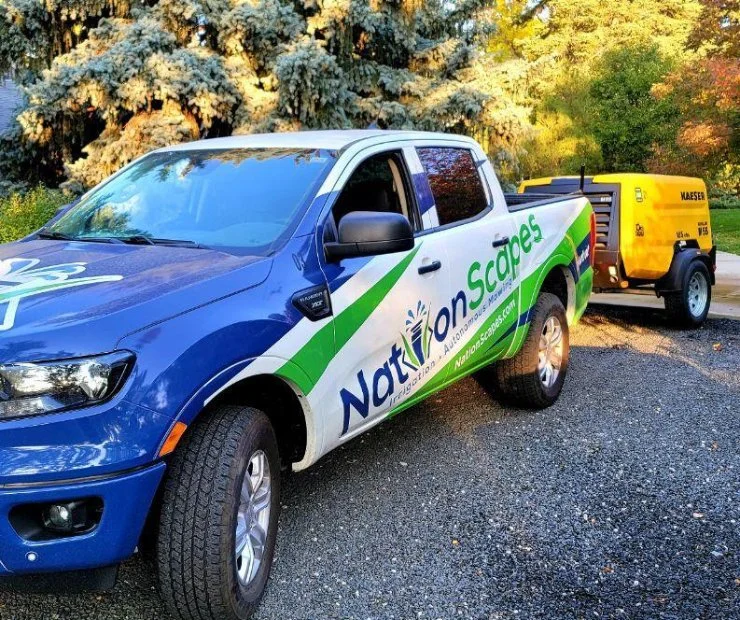
A blowout goes smoother when the system is ready before the compressor truck arrives. Controllers still running, buried shutoffs nobody can find, and backflow equipment blocked by storage turn a short winterization visit into a scavenger hunt. Across Denver, Lakewood, and Aurora, NationScapes sees the same prep gaps every fall.
This article is a homeowner prep list for irrigation blowout. It pairs with our sprinkler winterization work and is not a substitute for the crew that actually runs air through the lines.
Turn the controller off and know the irrigation shutoff
Stop automatic watering before the visit so zones are not fighting the winterization process. Know which valve isolates the irrigation system. That shutoff is not always the same as the main house shutoff. If you are unsure, photo the valve area and label what you believe it controls so the technician can confirm on site.
Clear a path to the backflow assembly. Equipment buried under hose reels, grill covers, or snow-stashed furniture slows the day and can leave seals unchecked. Backflow access matters again at spring startup, so the same clear space helps twice.
Note repairs and landscape changes before air hits the pipe
List heads that already leak, zones that never came on this summer, and any trenches from fencing, lighting, or hardscape. Air will find weak points. Telling the crew early lets them plan repairs instead of discovering a geyser with the compressor already staged. If lighting cable and irrigation share beds, keep one underground map, as we describe in lighting and irrigation on one map.
New plantings and bed expansions can hide valve boxes. Flag boxes with a stake if mulch got deep. A missing box turns a standard blowout into a longer locate job.
Plan spring startup notes while details are fresh
Ask for a short closeout: which zones were blown out, repairs made, and anything left open until spring. Store it with the controller manual. Spring startup goes faster when nobody is guessing which station was capped in October. Our annual care programs explain how mid-season checks and winterization fit one calendar on the annual sprinkler maintenance page.
If trees and shrubs still need winter water after the system is empty, that is a landscape task, not a reason to skip blowout. Read winter landscape services after blowout for that handoff.
Do not wait until the first hard freeze warning
Front Range cold snaps arrive on short notice. Properties that book blowout only after the first freeze warning often stack on a crowded calendar. Prep the shutoff and backflow now even if your appointment is weeks out. A ready site lets the crew finish cleanly when your slot opens, including after a weather reshuffle.
If you manage more than one address, keep a one-page sheet per site. Controllers, backflow locations, and gate codes differ even when the HOA looks the same from the street. That sheet travels with the booking confirmation.
What to send when you book
Gate codes, dog notes, backflow location, known problem zones, and whether anyone recently dug in the yard. Mention HOA rules that limit compressor hours if they apply. Those details keep the truck productive when it arrives.
For a free quote, contact us or call 303-934-9130. Prep the shutoff, clear the backflow, and write down the weak zones before the compressor shows up.
Ready to Book Blowout With Fewer Surprises?
Sprinkler winterization across the Denver metro. Free quotes.