
Landscape Lighting Needs a Spring Inspection After Snow, Freeze-Thaw, and Plow Season
Snow, heave, and plow piles leave lighting problems that show up when evenings matter again
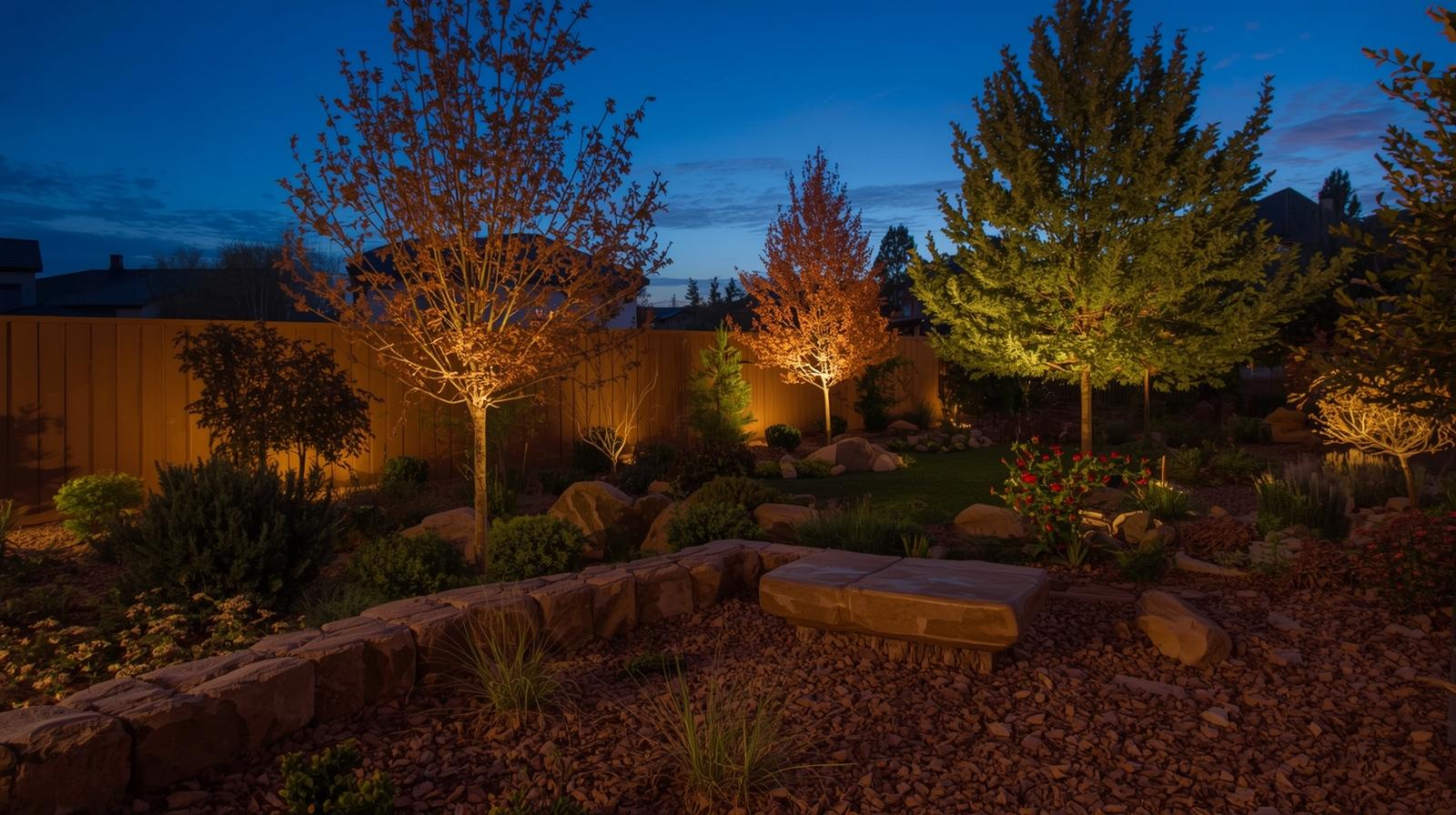
Snow, freeze-thaw heave, and plow piles punish landscape lighting all winter. By the time patios open again, path lights lean, wires show at bed edges, and photocells point at the wrong sky. A spring inspection after plow season catches those failures before evening guests notice half a dark walk. Booking that habit while the year is still warm keeps the work from landing in the same week as sprinkler startup.
NationScapes maintains landscape lighting across the Denver metro. This article covers what a post-winter lighting inspection should include and how it ties to irrigation maps underground.
What winter usually breaks
Look for fixtures knocked by shovels or plow windrows, lenses filled with grit, transformers that sat under snow storage, and wire nicks where edging or aerators ran. Freeze-thaw lifts stake mounts in soft soil. South facing beds near reflective walls can also fade bulbs faster than shaded paths.
Walk the system at night once before you call. Note dark fixtures, flickering runs, and glare that now hits a neighbor window because a stake leaned. Daytime photos of the fixture and its base help the technician bring the right parts.
Share the underground map with irrigation
Lighting cable and irrigation pipe often share the same bed. A spring lighting repair that ignores valve locations risks cutting a lateral the day before startup. Keep one property map for both systems, as outlined in lighting and irrigation underground mapping. If blowout prep is also on your list, prepare the irrigation system before blowout keeps winterization from becoming a locate job.
Aim fixtures after plant growth starts, not only after snow melts. A light set for bare April beds can disappear behind June shrubs. Re-aiming is part of inspection, not vanity.
What a solid spring lighting visit includes
Fixture count versus what the original plan shows, electrical checks at the transformer, lens cleaning or replacement, stake resets, wire repairs, and a night walk for aim. Ask for a written list of deferred items such as aging transformers or undersized cable runs that still work but will not last another plow season.
Lawn and bed recovery can wait for separate lawn care visits. Do not ask a lighting tech to diagnose turf while holding a volt meter. Keep scopes clean so each closeout is usable.
Tie lighting checks to other spring outdoor work
Spring is crowded with sprinkler startup, cleanups, and first mows. Lighting inspection fits cleanly just after snow storage areas clear and before heavy bed mulching hides wire issues. If mulch is coming, inspect first so repairs are not buried under a fresh layer.
Commercial entries and HOA walks benefit from the same order. Dark path segments show up in incident reports long after a cheap stake reset would have fixed the gap. Put lighting on the same spring vendor list as irrigation so it is not forgotten until the first evening event.
Schedule the habit before winter returns
If you are reading this in the warm months, put the spring lighting inspection on next year's calendar now and fix obvious wire hazards before snow covers them. Homeowners in Denver, Lakewood, and Aurora who treat lighting as seasonal infrastructure get fewer dark-path surprises when evenings matter again.
For a free quote, contact us or call 303-934-9130. Send night photos, transformer location, and any recent digging notes so the visit starts with facts.
Want Path Lights Ready When Evenings Matter?
Lighting inspection and repairs across the Denver metro. Free quotes.